

Best Day Hikes Around Cuenca, Ecuador
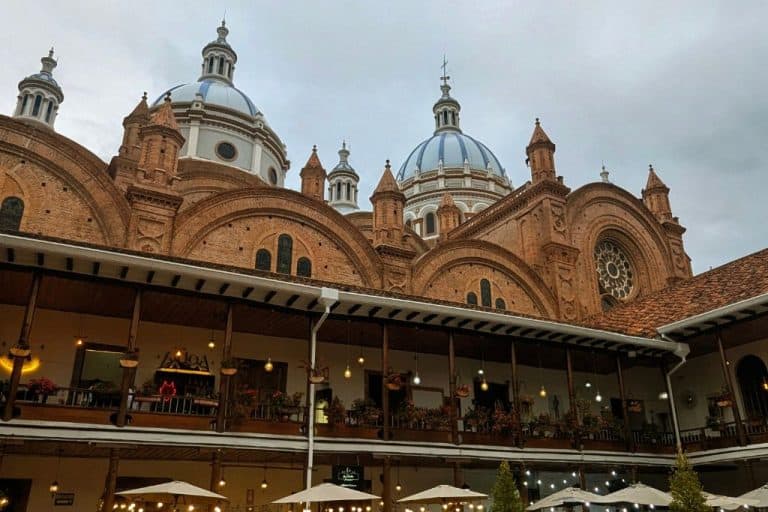
When people think about Cuenca, Ecuador, the first things that usually come up are colonial architecture, cobblestone streets, blue-domed cathedrals, quiet cafés, and beautiful restaurants. And while all of that is true and indeed beautiful, it is only one side of the story. What many people do not realize is that Cuenca is also an incredible base for nature lovers, hikers, and anyone craving outdoor adventure without going too far from the city.
We might not have discovered many of these places if we hadn’t met our Ecuadorian friends, who were kind and generous enough to take us along to some truly hidden gems. Without them, we probably wouldn’t have even known that many of these spots existed. That’s exactly why we want to share them with you.
Cuenca has many things to do, but if you are here on my blog, it means you are likely looking for outdoor adventures or hikes close to Cuenca. So let’s dive in.
Hikes Near Cuenca City
What makes Cuenca unique is that getting close to nature for hikes don’t require a day trip or special arrangements. They are close to the city or some within the city and can be easily accessed by a taxi or public bus.
Río Yanuncay Trail
Cuenca has four rivers running through the city, with Río Yanuncay and Río Tomebamba being the largest. The Río Yanuncay trail is one of the most accessible green spaces in Cuenca. This wide riverside path runs through local neighborhoods and parks, making it ideal for walking, jogging, or cycling.
It is flat, peaceful, and heavily used by locals, especially in the mornings and late afternoons. This is a perfect trail if you want to get some movement in without leaving the city.
Parque El Paraíso Walking Loops
Located near the Yanuncay River, Parque El Paraíso offers short walking loops surrounded by trees and open green space. While it is more of a park walk than a hike, it is perfect for relaxed walks or simply stretching your legs.

It is a massive and beautiful park that really immerses you in nature. After the sun goes down, it gets quite dark and there is not much lighting, so it is a good idea to leave at or before sunset.
Amaru Bioparque Zoo
Amaru Bioparque sits on the outskirts of Cuenca, around 20 min drive from the historic centre and offers a different kind of outdoor experience. While it is not a traditional hike, walking through the bioparque involves gentle uphill paths through forested terrain, making it a good option if you want to combine light walking with learning about and watching Ecuador’s native wildlife.
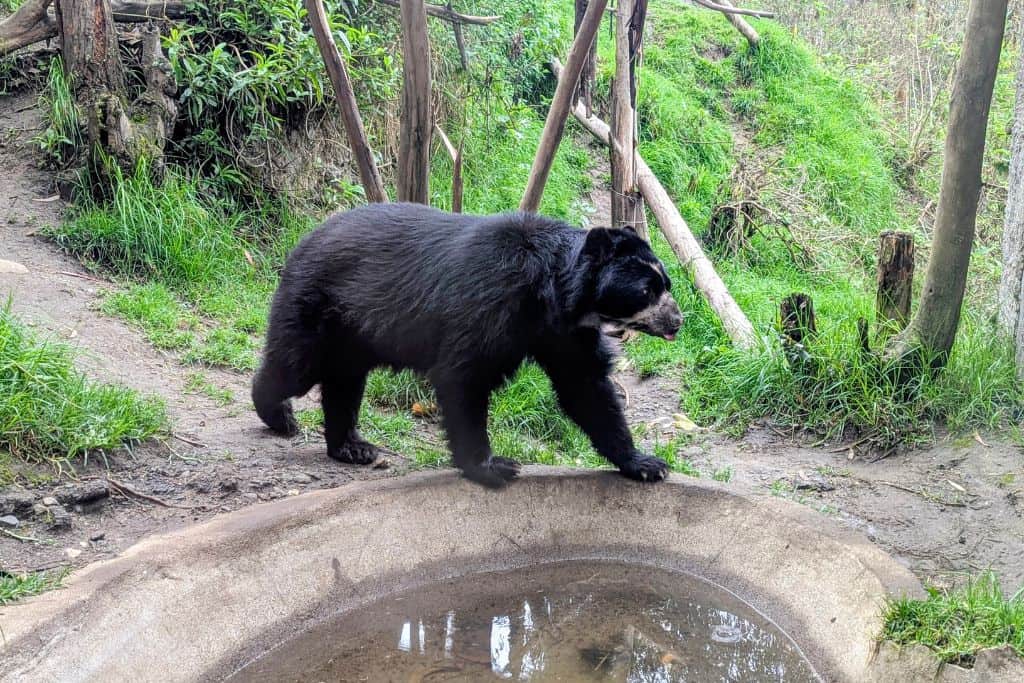
The park focuses on rescue, rehabilitation, and conservation, as many of the animals here cannot be released back into the wild. It is a great place to visit while enjoying some hiking.
Interested in Amaru Bioparque Zoo? Read more about it here
Parque Ictocruz
Located in the Valle neighborhood of Cuenca, Parque Ictocruz is another large and beautiful park within the city, offering amazing views over Cuenca. The park has short trails that lead to different viewpoints.

It is mostly used by locals, so it tends to be quieter and is a perfect place to bring some food for a picnic while enjoying easy walks and scenic views. You can easily reach the park by taxi.
Frances Urco
Frances Urco is located in Tarqui around 35-40 min from Cuenca city. It is a lesser known local hill that offers panoramic views. The trail is short but can be steep in some sections, making it a great option if you want something that feels like a real hike.

You can reach Frances Urco by taxi, and you can even ask your driver to wait for you. The taxi would drop you to the trailhead. The first part of the hike consists of wooden steps that take you up to the ridge of the hill. From there, much of the trail is fairly flat and offers 360 degree views.
If you want a shorter walk, you can simply turn back at any point. If you want more adventure, you can continue walking until you reach the two big crosses. This section includes some steep uphill and downhill stretches. Our round trip was around 12 km and took us about three hours.
It is highly recommended to carry extra water and snacks, as there is nothing available on the trail and it can get quite hot.
Quebrada Oscura
Quebrada Oscura is located in Santa Ana, which is also part of Cuenca. It is essentially a ravine with caves. The quebrada is shaped by seasonal water flow, which is typical of many quebradas around Cuenca. Its name, meaning dark ravine, likely comes from the dense vegetation and shaded terrain that keep much of the area cool and enclosed.

Unlike Cuenca’s historic landmarks, Quebrada Oscura does not have a documented colonial history. It has long existed as part of the city’s natural landscape, used informally by locals and largely overlooked by visitors. Today, it offers a short but surprisingly wild hike that gives you a glimpse of the raw terrain that still exists beneath Cuenca’s urban surface.

The ravine itself is just one part of the experience. You first walk uphill on a gentle dirt road, followed by a short but steep downhill section that takes you into the ravine. There is no defined loop or marked trail. Once you are down at the river, you can walk around, explore the area, enjoy a picnic and then climb back up.
Mirador Challuabamba
Mirador Challuabamba is a peaceful viewpoint located just outside the city, offering wide views over the Challuabamba valley and surrounding hills. The walk to the mirador is short and easy, making it a great option if you want fresh air and scenery without committing to a long hike.

There are also day tours where you explore the mirador Challuabamba along with Plateado caves and nearby valleys.
Interested in hiking Mirador Challuabamba? Read more about it here
Cajas National Park Hike
Can you imagine a massive and beautiful national park that is so close to the city, accessible by public transport, and free to enter? Cajas National Park is easily the highlight of hiking around Cuenca. We went there twice during our stay.
If you take a taxi, the driver can drop you off and wait until you return. For a bit more adventure, you can take a public bus that drops you directly at the visitor center gate. There are several loop options to choose from. We did Ruta 1, starting at Laguna Toreadora, passing through the paper forest, crossing multiple smaller lakes, and looping back to Toreadora before ending at the visitor center.
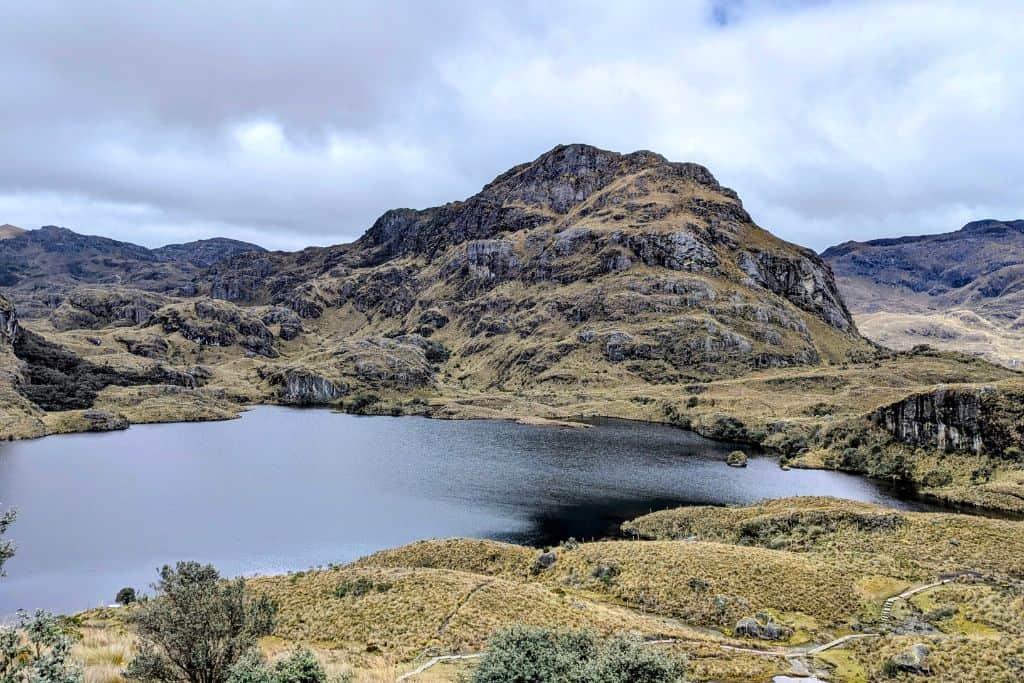
At a slow to moderate pace, this hike takes about four to five hours. You can also do the shorter loop around Laguna Toreadora, which takes around two to two and a half hours. The views and overall beauty make Cajas absolutely worth visiting.
Valley and Waterfall Hikes in Cuenca
Girón Waterfalls (El Chorro del Girón)
El Chorro del Girón is one of the most popular waterfall hikes near Cuenca, and for good reason. Located about an hour from the city, the trail is short, well maintained, and leads to a powerful waterfall surrounded by lush vegetation. Wooden walkways and viewpoints make it an easy and enjoyable hike, even if you are not an experienced trekker.

They also offer other activities like ATVs, ziplining, and bicycle rope that you can do. However, these were closed on the day we visited. The hike to the waterfall itself is beautiful, and feeling the power of the water was absolutely amazing.
You can reach Girón by taxi or by taking a bus from the Terminal Terrestre to Girón, which usually costs around two dollars one way. From Girón town, you can take a taxi to the waterfall entrance.
Aguarongo (Bosque Protector Aguarongo)
Located just outside Gualaceo, Aguarongo is a protected forest area known for its cloud forest vegetation, shaded trails, and abundant birdlife. The hikes here feel calm and immersive and offer a refreshing contrast to Cuenca’s open páramo landscapes.
Aguarongo is easily reached as a day trip from Cuenca. Buses run frequently from Cuenca’s terminal to Gualaceo, and from there a short taxi ride will take you to the Bosque Protector Aguarongo. Trails are generally gentle to moderate, but signage can be limited, so it is best to start early and download offline maps.
Interested in hiking? You might love our:
👉 Hikes in Patagonia
👉 Hikes in Bolivia
👉 Inca Trail Trek to Machu Picchu
What to Pack for Your Hikes?
As avid hikers, we make sure we are always fully prepared when we hit the trails. As a general rule of thumb, these are the most important items that you should carry with you:
- Water bottle (at least 1 litre)
- Snacks (nuts, sandwiches, energy bars, and/or fruits)
- Sun protection (sunglasses, hat, sunscreen)
- Bug spray
- Hiking poles (always a good idea to carry if you have them)
- Hiking shoes that provide good traction and support
- Rain jacket
- Layers (carry a layer if you are going to Cajas National Park)
- First-aid kit (keep a small first-aid kit with you for any emergencies)
Check our full list of hiking gears HERE!
Read More About Ecuador



READY TO TRAVEL LIKE A LOCAL?
Book a free 30-minute consulting call with us and let’s start planning your next unforgettable adventure!